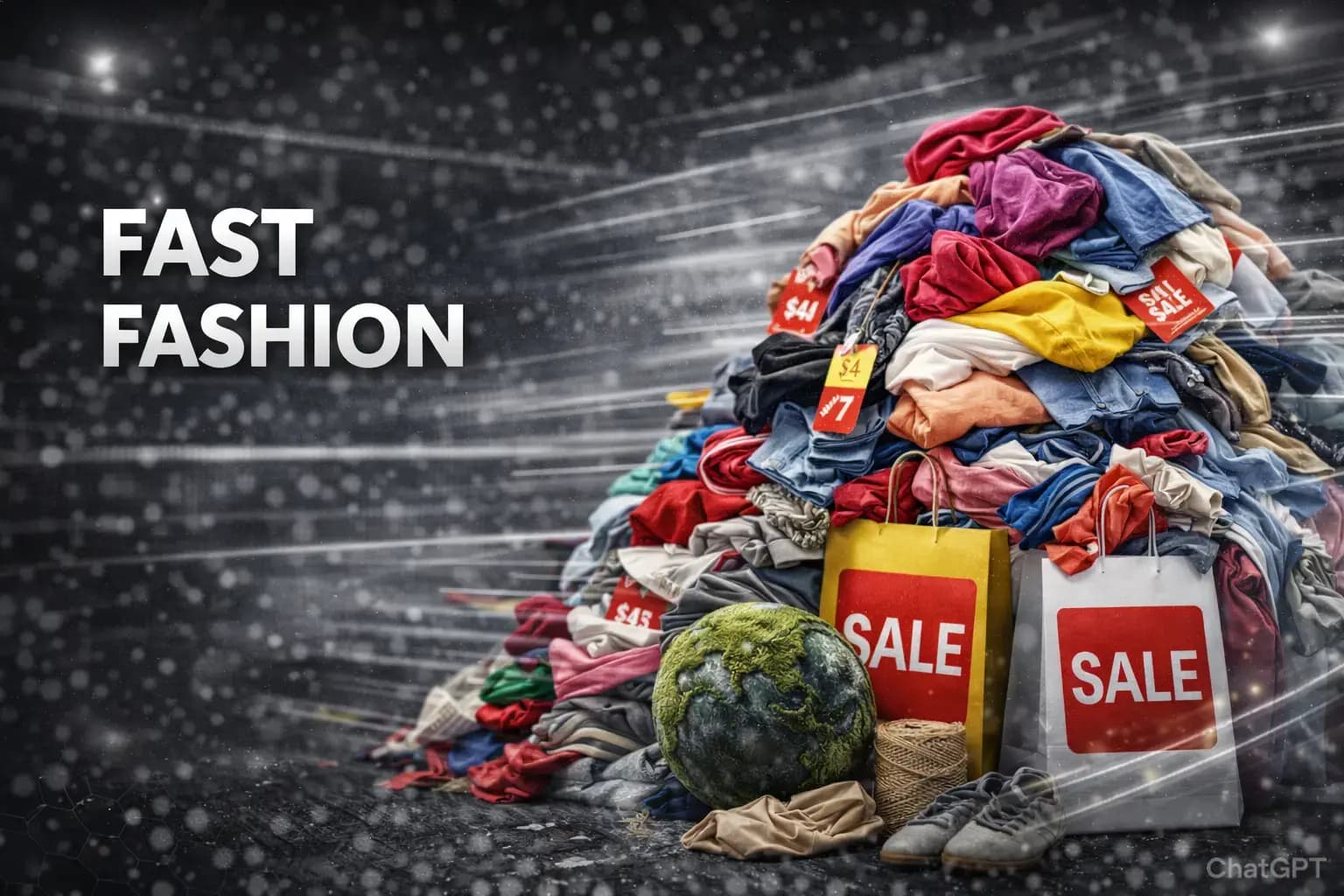
The modern fashion industry has undergone major changes in the last two decades. One of the most influential phenomena is fast fashion, a business model that emphasizes rapid production, low prices, and adapting trends to the retail market as quickly as possible.
Fast fashion makes clothing more accessible to all groups. On the other hand, there are various negative impacts, such as textile waste, labor exploitation, and excessive consumption.
Therefore, counter movements such as sustainable fashion and slow fashion have emerged, including in the sportswear sector. Brands such as DRX Wear have emerged as alternatives for quality apparel that is more durable and produced responsibly.
This article will provide a detailed discussion of the definition of fast fashion, its history, impact, and alternative solutions.
Understanding Fast Fashion
Definition of Fast Fashion
Fast fashion is a business model in the fashion industry that produces clothing quickly and in bulk, following the latest trends at affordable prices.
This concept focuses on:
- Production speed
- Adapting runway trends
- Low prices
- Large volume
Fast fashion allows fashion trends from international catwalks to enter retail stores in a matter of weeks.
Fast and Mass Production
Fast fashion brands use a system of:
- Large-scale productions
- Global factories
- Fast supply chains
- Aggressive distribution
The goal is to meet the ever-changing market demand.
Adapting Runway Trends to Retail
Fast fashion designs come from:
- Fashion weeks
- Influencers
- Celebrities
- Social media
The designs are replicated quickly and turned into cheap fast fashion.
Short Production Cycle
While conventional brands release collections 2–4 times a year, fast fashion can produce collections:
- Weekly
- Monthly
- Even daily (through online drops)
Additional Characteristics of Fast Fashion
- Focus on low prices
- Rapid collection updates
- Trend-based consumption
- High impulse buying
The History of Fast Fashion
The Beginning of Mass Fashion Retail
The concept of mass fashion began in the textile industrial revolution in the 20th century, when production machines were invented. This allowed for large output.
The Emergence of Global Supply Chains
Outsourcing production to developing countries can reduce costs through:
- Cheaper labor
- Cheaper materials
- Faster production
The Revolution of Modern Textile Production
Technologies like:
- Synthetic polyester
- Digital printing
- Automated cutting
Increases the speed of apparel production.
The Digital Era’s Role in Accelerating Trends
Social media causes trends to change rapidly:
- Viral fashion
- Influencer marketing
- TikTok & Instagram trends
Market demand becomes instantaneous.
Characteristics of Fast Fashion
Mass Production
Key characteristics:
Very large volume
Factories in a global scale
Non-stop production
Very Low Prices
Price is suppressed through:
- Low-cost materials
- Mass production
- Cheap albor
Fleeting Trends
Collections can change:
- Weekly
- Monthly
- Every season
Consumers are encouraged to keep buying.
Relatively Low Quality
Impacts:
- Tears easily
- Weak stitching
- Fades easily
Products are not designed to be durable.
Impacts of Fast Fashion
Environmental Impacts
Textile Waste
Millions of tons of clothes are thrown away every year.
Water Pollution
Chemical dye pollutes rivers.
Microplastics
Polyester releases microplastics when washed.
Societal Impacts
- Low wages
- Inhumane working hours
- Bad working conditions
- No labor protection
Impacts on Consumers
Fast fashion encourages:
- Overconsumption
- Overbuying
- Stuffed closets
- Rarely worn outfits
Fast Fashion vs Sustainable Fashion
| Aspect | Fast Fashion | Sustainable Fashion |
| Production | Mass | Limited |
| Material | Cheap synthetic | Organic / recycled materials |
| Price | Cheap | More expensive |
| Durability | Short | Long |
| Environmental impacts | High | Low |
Why is Fast Fashion Still Popular?
Despite its massive impact, fast fashion remains in demand.
1. Affordable Price
Anyone from any class can buy fast fashion.
2. Accessible
Available in malls & marketplaces.
3. Always Trendy
Fast fashion is updated for the latest trends.
4. Aggressive Marketing
Discounts, flash sales, and influencer campaigns.
Alternatives to Fast Fashion: Slow & Sustainable Apparel
Realistic solutions to reduce fast fashion:
1. Buy Quality Clothing
Lasts longer and saves you money in the long run.
2. Choose Ethical Brand
Choose brands with a responsible production process.
3. Wear Clothes Longer
Reduce the habit of buying and throwing away.
4. Mix & Match Outfit
One item can be used in different styles.
The Role of Sportswear in the Anti-Fast Fashion Movement
Sportswear has different characteristics from fast fashion.
Durable
Designed to sustain heavy activities.
Functional
Focuses on performance, not trends.
Long-Term Use
Can be worn for years.
Thus, sustainable sportswear is a realistic solution to fast fashion.
DRX Wear’s Commitment as a Fast Fashion Alternative
DRX Wear is a sportswear brand that emphasizes quality and durability.
Quality-Based Production
Using:
- Long-lasting materials
- Strong stitching
- Precise finishing
As a result, DRX Wear’s products don’t tear easily despite repeated use.
Timeless Designs
DRX Wear doesn’t follow instant trends.
Benefits:
- Remains stylish
- Doesn’t go out of style
- Can be worn for a long time
Controlled Production
Production is done:
- According to demand
- Without overstocking
- Reducing textile waste
Multifunctional: Sport & Lifestyle
One piece of apparel can be worn for
- Sports
- Hang outs
- Daily wear
This reduces the need to buy multiple outfits.
Benefits of Non-Fast Fashion Apparel Like DRX Wear
1. Saves Money in the Long Term
There is no need to buy clothes often.
2. More Environmentally Friendly
Reduces textile waste.
3. More Exclusive
Apparel is not mass-produced, making it more limited.
4. A More Premium Image
Quality can be seen through the material and cutting.
Also Read: Sustainable Fashion: Environmentally-Friendly Fashion with DRX Wear
Price Range: Fast Fashion vs Quality Apparel
Price comparison is often the main consideration.
Fast Fashion
T-shirt
Rp 50,000 — Rp 150,000
Jersey
Rp 100,000 — Rp 200,000
Jacket
Rp 150,000 — Rp 300,000
Characteristics:
- Cheap
- Frail
- Tears easily
Quality Apparel / Sportswear
T-shirt
Rp 150,000 — Rp 400,000
Jersey
Rp 250,000 — Rp 600,000
Jacket
Rp 400,000 — Rp 900,000
Affected by:
- Fabric technology
- Breathability
- Stitching
- Durability
Comparison Insight
| Factors | Fast Fashion | Quality Apparel |
| Price | Cheap | More expensive |
| Durability | Short | Long |
| Comfort | Standard | High |
| Long-term value | Low | High |
Conclusion: Quality apparel has a higher initial price but provides more long-term value.
Leave Fast Fashion Today
Want to reduce fast fashion consumption and move to long-lasting apparel?
Download the DRX Sportnet app to:
- Look at the latest sportswear collections
- Customize community jersey
- Monitor sports events
- Earn exclusive promotions
Start a sport + sustainable lifestyle today.
FAQ — Fast Fashion
1. What is fast fashion?
Fast fashion is a business model that produces clothing quickly and cheaply to keep up with the latest trends.
2. Why is fast fashion harmful to the environment?
Fast fashion produces large amounts of textile waste, water pollution, and microplastics from synthetic materials.
3. Is fast fashion always bad?
Not entirely, but it has a significant impact when consumption is excessive.
4. What are the alternatives to fast fashion?
Sustainable fashion, slow fashion, and durable, high-quality apparel like sportswear.
5. How does DRX Wear serve as an alternative to fast fashion?
Through limited production, durable materials, timeless designs, and multifunctionality.
Conclusion
Fast fashion has transformed how the world consumes clothing—faster, cheaper, and more instantaneously. However, behind its convenience lies a significant impact on the environment, society, and human consumption patterns.
Switching to high-quality apparel like durable sportswear is a realistic solution without sacrificing style. With timeless designs, more responsible production, and premium materials, DRX Wear offers an alternative for modern consumers who want to stay stylish without getting caught in the cycle of excessive fast fashion.