The fashion and apparel industry is one of the fastest-growing sectors in the world, including in Indonesia. Every piece of clothing we wear, from T-shirts and jackets to sports jerseys, is made from one main raw material: textiles.
However, many people still do not understand what textiles actually are and their role in the apparel industry.
For clothing businesses, apparel brands, and sports communities that want to make custom jerseys, understanding textiles is crucial in determining product quality.
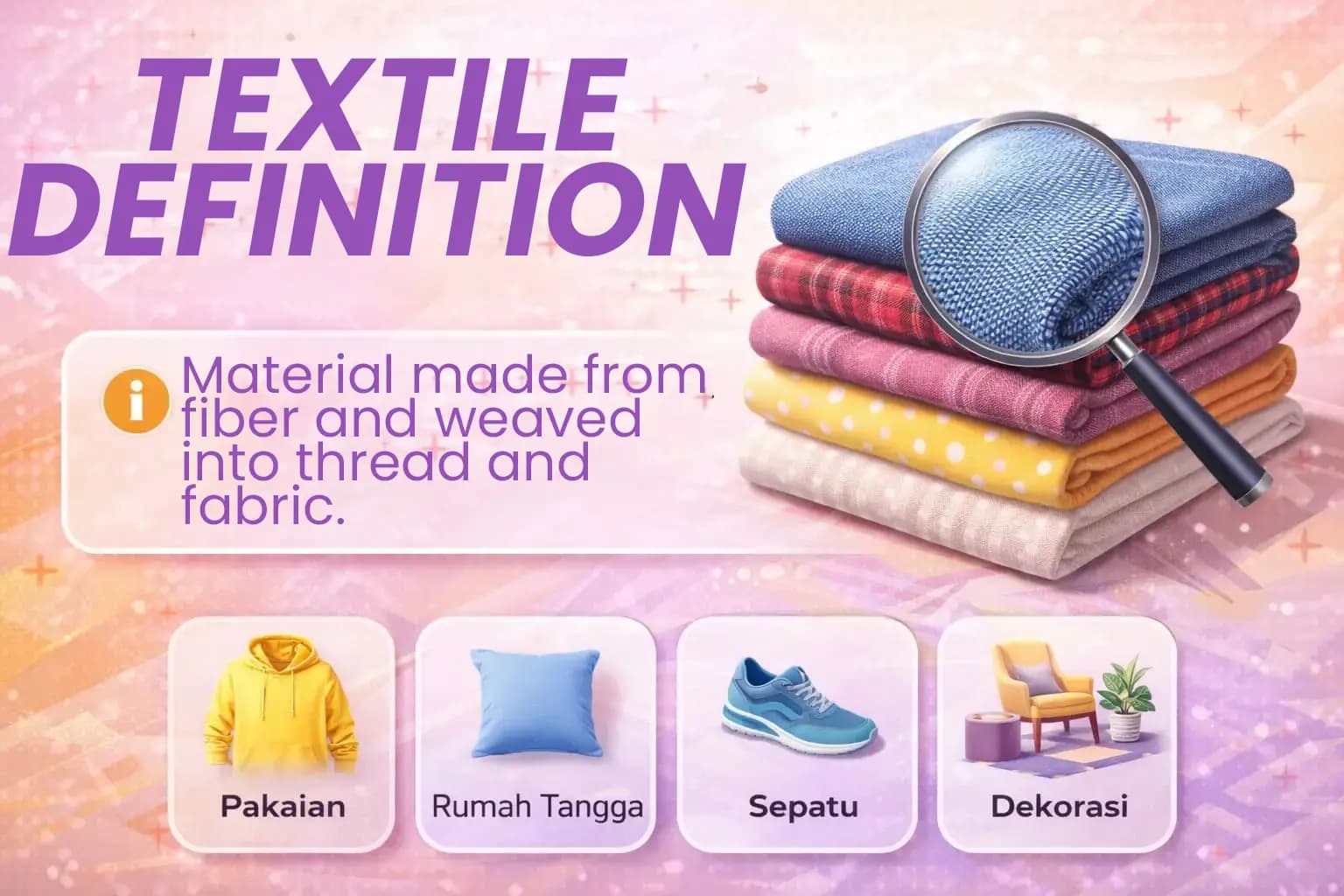
Simply put, textiles are materials made from natural or synthetic fibers that are then processed into fabrics for various needs, especially for making clothes.
In this article, we will discuss in detail the definition of textiles, types of textile materials, the difference between textiles and garments, and their role in the modern apparel and sports jersey industry.
Textile Meaning and Definition
General Definition of Textile
The word textile comes from the Latin word texere, which means to weave or arrange fibers into fabric.
In general terms, textiles are materials made from natural or synthetic fibers that are processed through spinning, weaving, or knitting to produce fabric.
This fabric is then used to make various products, such as:
- Clothes
- Bags
- Shoes
- Curtain
- Interior upholstery
In the fashion industry, textiles are the main raw material in the manufacture of apparel products.
Definition of Textile in the Fashion Industry
In the world of fashion and apparel, textiles refer to the fabric used as the main material in the production of clothing.
Various fashion products use textiles as their base material, such as:
- Shirts
- Jackets
- Hoodies
- Sports pants
- Football jerseys
- Work uniforms
As the main material, the quality of textiles greatly affects the comfort, durability, and appearance of clothing.
Brief History of the Textile Industry
The textile industry has developed over thousands of years and has become one of the most important sectors in human civilization.
Traditional Textile
In the early days of human civilization, fabrics were made from natural fibers such as:
- Cotton
- Wool
- Linen
These fibers were spun and woven manually to produce fabric.
The Textile Industrial Revolution
The textile industry underwent major changes during the Industrial Revolution in the 18th century.
The invention of the loom and spinning machine made fabric production faster and more efficient.
This led to the emergence of textile factories and large-scale clothing production.
The Modern Textile Industry
Today, the textile industry is growing rapidly with the emergence of synthetic fiber technology and modern production techniques.
Some modern textile innovations include:
- Breathablefabric
- Moisture-wicking fabric
- Anti-bacterial fabric
- Lightweight fabric for sports
This technology is widely used in the sports apparel industry and professional team jerseys.
Types of Textile Materials
Textile materials are generally divided into two main categories: natural fibers and synthetic fibers.
Understanding the differences between these two types of materials is important for determining the right textile for clothing needs.
Textile Based on Natural Fibers
Cotton
Cotton is one of the most popular textile materials in the world.
Cotton fibers come from cotton plants that are processed into yarn and then woven into fabric.
Advantages of cotton
- Soft on the skin
- Absorbs sweat well
- Comfortable for daily wear
Because of its comfort, cotton is often used in:
- Shirts
- Casual outfit
- Children’s clothes
Linen
Linen is a textile produced from flax plant fibers.
The advantages of linen include:
- Lightweight
- Breathable
- Suitable for hot weather
However, linen usually has a rougher texture than cotton.
Wool
Wool comes from sheep’s fleece and is typically used for winter clothing.
Characteristics of wool include:
- Can trap heat
- Soft
- Durable
Textile Based on Synthetic Fibers
In addition to natural fibers, the textile industry also uses synthetic fibers made through chemical processes.
Synthetic materials are typically more durable and economical.
Polyester
Polyester is the most widely used synthetic textile material in the apparel industry.
Advantages of polyester
- Strong and durable
- Does not wrinkle easily
- Dries quickly
Due to these characteristics, polyester is often used for:
- Sports uniforms
- Soccer jerseys
- Outdoor clothing
Nylon
Nylon is a synthetic material known for its strength and elasticity.
Advantages of nylon:
- Lightweight
- Resists friction
- Elastic
Nylon is widely used in products such as:
- Sports jackets
- Bags
- Outdoorclothes
Spandex
Spandex is a highly elastic textile material.
This material is usually mixed with other fibers to increase the flexibility of clothing.
Spandex is often used in:
- Sports apparel
- Leggings
- Fitness apparel
Modern Textile Technology for Sports Apparel
In the apparel sports industry, modern textile is designed to enhance comfort during activities.
Some popular types of textile for sports apparel include:
Dry Fit
Dry fit jersey material is a type of textile designed to absorb sweat quickly.
Characteristics:
- Lightweight
- Breathable
- Dries quickly
Hence, dry fit is often used in sports jersey production..
Jacquard
Jacquard is a textile with motifs created directly during the weaving process.
Advantages of jacquard:
- Premium look
- Motif doesn’t fade easily
- Better air ventilation
Jacquard is often used for professional team jerseys.
Airwalk Fabric
Airwalk is a textile with wider pore structures to allow better air circulation.
This material is excellent for:
- Futsal jersey
- Training jersey
- Non-intensive sports apparel
Comparison of Different Types of Textiles for Apparel
Here is a comparison of the most common textiles in the apparel industry.
| Textile Type | Characteristics | Use |
| Cotton | Soft and breathable | Shirt |
| Polyester | Strong and durable | Uniform |
| Dry Fit | Absorbs sweat easily | Sports jersey |
| Jacquard | Premium look | Team jersey |
| Spandex | Elastic | Sports apparel |
Choosing the right textile will impact the quality of the apparel.
Differences Between Textile, Garment, and Apparel
In the fashion industry, several similar terms create confusion, namely textile, garment, and apparel.
The three of them have different meanings.
| Term | Meaning |
| Textile | Fabric material |
| Garment | The clothing production industry |
| Apparel | Clothing product ready for wear |
In the fashion production chain, the order goes:
Textile → Garment → Apparel → Retail
Understanding the differences is crucial for participants of the fashion and apparel business.
Role of Textile in the Sports Apparel Industry
The modern sports industry requires clothing with more advanced technology.
Therefore, textiles are an important factor in the production of sports jerseys.
Textiles for Football Jerseys
Football jerseys require materials that are:
- Lightweight
- Breathable
- Can absorb
- The commonly used material is polyester dry fit.
Textile for Futsal Jerseys
Futsal jerseys usually use more flexible materials so that players can move more freely.
Commonly used materials are:
- Dry fit
- Airwalk
- Jacquard
Textile for Training Apparel
Training apparel, such as training shirts or sports jackets, requires textiles that are:
- Strong
- Flexible
- Durable
Training apparel uses a combination of polyester and spandex.
Advantages of Quality Textiles for Apparel
Choosing quality textiles provides many benefits for both users and apparel brands.
More Comfortable to Wear
High-quality textiles have a better fiber structure, making them more comfortable to wear.
More Durable
Premium textiles are more resistant to washing and wear.
Supports Modern Design
Some types of textiles support modern printing techniques such as sublimation.
This makes jersey designs more detailed and durable.
Tips for Choosing Quality Textiles for Apparel
If you want to make custom clothing or jerseys, here are some tips for choosing the right textiles.
Pay Attention to Material Composition
Make sure you know the composition of the textile material used.
For example:
- 100% cotton
- polyester blend
- spandex mix
Adjust to Required Activities
If the clothing is worn for sports, choose lightweight and breathable textiles.
Pay Attention to Fabric Technology
Some modern textiles have special technologies, such as:
- Moisture wicking
- Anti-bacterial
- Quick dry
These technologies enhance comfort.
FAQ About Textile
What is textile?
Textile is a material made from natural or synthetic fibers that are processed into fabrics and used for various products, such as clothing.
What is the difference between textile and garment?
Textiles are fabric materials, while garments are the industry that produces clothing from textile materials.
What are some examples of textiles?
Examples of textile materials include cotton, polyester, nylon, spandex, dry fit, and jacquard.
What is textile used for?
Textiles are used to make clothing, bags, shoes, and interior products such as curtains and upholstery.
What is the best textile for sports jerseys?
Polyester dry fit fabric is usually the best choice because it is lightweight, breathable, and quickly absorbs sweat.
Conclusion
Textiles are the raw materials in the fashion and apparel industry used to make various products, such as clothing, bags, and household items.
Advances in textile technology result in various types of modern fabrics that are more comfortable, lightweight, and durable.
In the sports apparel industry, textiles such as dry fit, jacquard, and airwalk are popular choices because they provide maximum comfort during activities.
Understanding the types of textiles and their characteristics will help you choose the best material for your clothing or custom jersey needs.
Produce Quality Custom Jerseys
Want to make sports jerseys or custom apparel with high-quality textiles? DRX Wear is the place to go!
We offer sports apparel production services with a variety of premium fabric options, including:
✔ Dry Fit
✔ Jacquard
✔ Airwalk
✔ Polyester Premium
Why choose us?
✔ Free custom jersey designs
✔ Comfortable materials for exercise
✔ Professional production
✔ Suitable for teams, communities, and apparel brands
Contact us to consult your designs and place your custom jersey orders today!