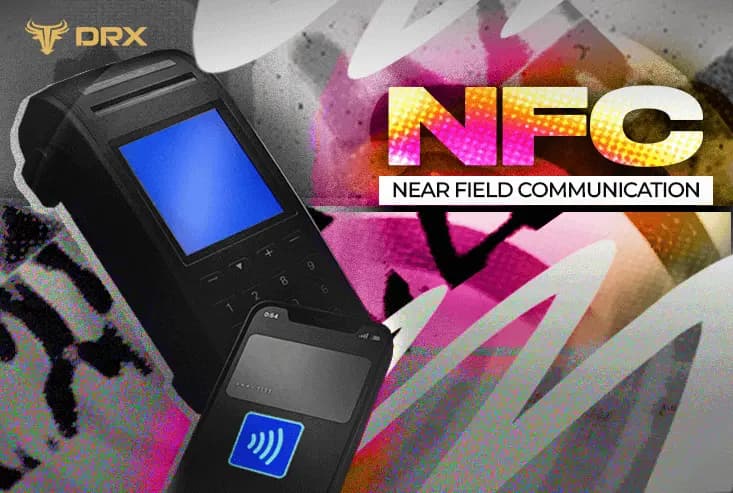
NFC is short for Near Field Communication, a wireless short-distance communication technology that enables two devices to exchange data only through contact or proximity.
This technology works in very close distances, typically less than 4 cm, making it practical and relatively secure.
Nowadays, NFC is being integrated into daily use, including digital payments, access cards, and product authentication. NFC’s presence is an important part of a modern digital ecosystem that demands speed, convenience, and security.
NFC Stands for Near Field Communication
Technically, NFC stands for Near Field Communication, a technology that utilizes radio frequency developed from RFID (Radio Frequency Identification).
Widespread NFC adoption began when it started being implemented on smartphones, payment cards, and wearables. NFC is internationally standardized through ISO/IEC, making it compatible with various devices in many countries.
Since it works in very close distances, NFC is a common choice for activities that demand instant verification and a low risk of data interception.
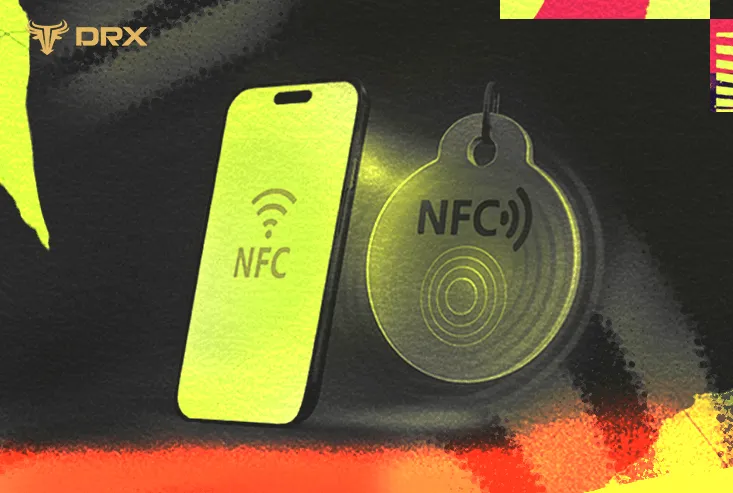
How NFC Works
To understand how NFC works, it is important to understand that this technology utilizes electromagnetic fields to transmit data.
In general, NFC has three main modes:
- Reader/Writer Mode: The device reads or writes data onto the NFC tag.
- Peer-to-Peer Mode: Two devices exchange data, such as sharing a contact or file.
- Card Emulation Mode: The device acts as a card, such as in digital transactions.
NFC is also categorized into active (both devices produce power) and passive (one device reads the NFC tag without its own power source).
Functions of NFC
The main function of NFC is to simplify data exchange and make it faster and more secure. Several uses of NFC include:
- Digital payment (cashless)
- Access and identification system
- Device automatization
- Product authentication
NFC is instantaneous and doesn’t require complex physical contact, making it popular in modern systems that prioritize efficiency.
Example of NFC in Daily Use
NFC implementation is commonly found today on:
- Smartphone: tap to pay, tap to share, device login
- Public transport: E-money and access cards
- Fashion & merchandise products: Product authentication verification
In the modern apparel industry, the NFC technology is being implemented to offer a more interactive digital experience. An example of this is DRX WEAR, which integrates NFC in its products to connect physical products with digital identities.
NFC for Security and Preventing Product Counterfeits
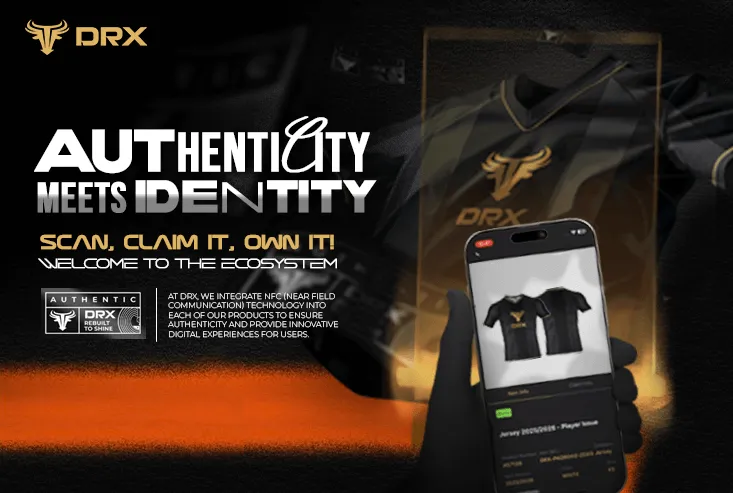
One of the most important benefits of NFC is for security and preventing counterfeits. Counterfeit products are a huge problem in various industries, especially fashion and premium merchandise.
With NFC jerseys, each product is assigned a unique digital identity that cannot be imitated. Consumers can simply tap their smartphones to verify product authenticity.
This approach is being implemented by innovative brands, such as DRX WEAR, by utilizing NFC as an authentication system to protect consumers and uphold brand reputation.
NFC vs RFID and Bluetooth
Many people question what sets NFC apart from other technologies.
- NFC vs RFID: NFC is an upgrade of RFID, with shorter distances and higher security.
- NFC vs Bluetooth: Bluetooth has a longer range, but NFC is faster, allowing instant connection without pairing.
Due to these characteristics, NFC is more suited for quick transactions, authentication, and verification.
NFC Technology Pros and Cons
Pros of NFC
- Easy to use
- Quick and efficient
- Relatively secure because of its short distance
- Minimal energy consumption
Cons of NFC
- Very limited distance
- Not supported by all devices
- Small data capacity
Despite its limitations, NFC’s advantages make it a relevant technology to this day.
The Future of NFC in the Digital Industry
Moving forward, NFC is expected to continue to develop, especially when combined with other technologies, like blockchain and IoT.
In fashion and sportswear, NFC has the potential to enable a digital identity for products, creating new opportunities in transparency, customer loyalty, and interactive experiences. Brands like DRX WEAR serve as an example of how NFC can be used to integrate product, data, and consumers in one digital ecosystem.
Conclusion
NFC is a short-distance communication technology that plays a big role in the digital era. With its security, as well as its ability to enable instant data transfers and authentication, NFC becomes a practical solution for various needs.
From payments to protecting products from counterfeiting, NFC provides more than just ease, but also opportunities for innovations for brands and consumers.
FAQ About NFC
What is NFC?
NFC is short for Near Field Communication, a wireless short-distance communication technology that enables two devices to exchange data via contact or proximity. NFC is commonly used for digital payments, access cards, and product authentication.
What is NFC used for?
NFC serves various uses, including:
- Cashless payments
- Identification and access verification
- Data transfer across devices
- Product authentication to prevent counterfeiting
- In the fashion industry, NFC is utilized by brands like DRX WEAR to guarantee product authenticity and offer additional digital experiences for consumers.
Is NFC safe to use?
Yes, NFC is relatively safe as it works in very close distances (less than 4 cm). Risks of data interception are much smaller than long-distance wireless technologies. Additionally, many NFC systems are equipped with encryption and additional security layers.
What is the difference between NFC and RFID?
The main difference between NFC and RFID lies in distance and usage. NFC operates at a much shorter distance and enables two-way communication, while RFID is typically used for one-way identification at longer distances.
Do all smartphones support NFC?
Not all smartphones have an NFC feature. However, most modern smartphones in the middle-class to flagship levels now support NFC. This feature can be enabled from the device’s settings.
How can I tell if a product has NFC?
Products with NFC typically have the NFC logo or specific information on the packaging. For modern apparel products like DRX WEAR, users can tap their smartphones on specific areas of the product to access digital information and authenticity verification.
Does NFC require an internet connection?
NFC does not require an internet connection to read or transfer basic data. However, if NFC is used to access online content or server-based verification systems, an internet connection is still required.